



In September 2025, the Alzheimer’s Association® moved its signature do-it-yourself (DIY) program to Funraisin, simultaneously rebranded it as Do What You Love to End ALZ™, and changed a number of operational strategies to make fundraising easier than ever for supporters. After 13 years as The Longest Day, the program started its first season under a new name, on a new platform, and around a new calendar—and had its best fundraising season on record.
From more participants going on to fundraise (up from 61% to 82%) to more gifts per fundraiser (up 36%) and more raised per fundraiser (up 56%), Do What You Love to End ALZ’s first season on Funraisin helped fundraisers raise more for the fight against Alzheimer’s.
While they were moving platforms and rebranding, they also tackled some long-standing challenges to ensure that participants could fundraise their way—doing activities they love with friends, family and coworkers, when it mattered most to them. So they rebuilt the program around each participant’s event, timeline, and fundraising activity.
We sat down with Lacey Todd (Director, Do What You Love to End ALZ), Eric Oyler (Senior Director, Digital Fundraising), and Emily Rosenberger (Senior Associate Director, Do What You Love to End ALZ) to learn how they did it.
Keep reading to see what changed—and what other nonprofits can learn from their story.
About Do What You Love to End ALZ
The Alzheimer’s Association leads the fight to end Alzheimer’s and all other dementia through research, care, and support.
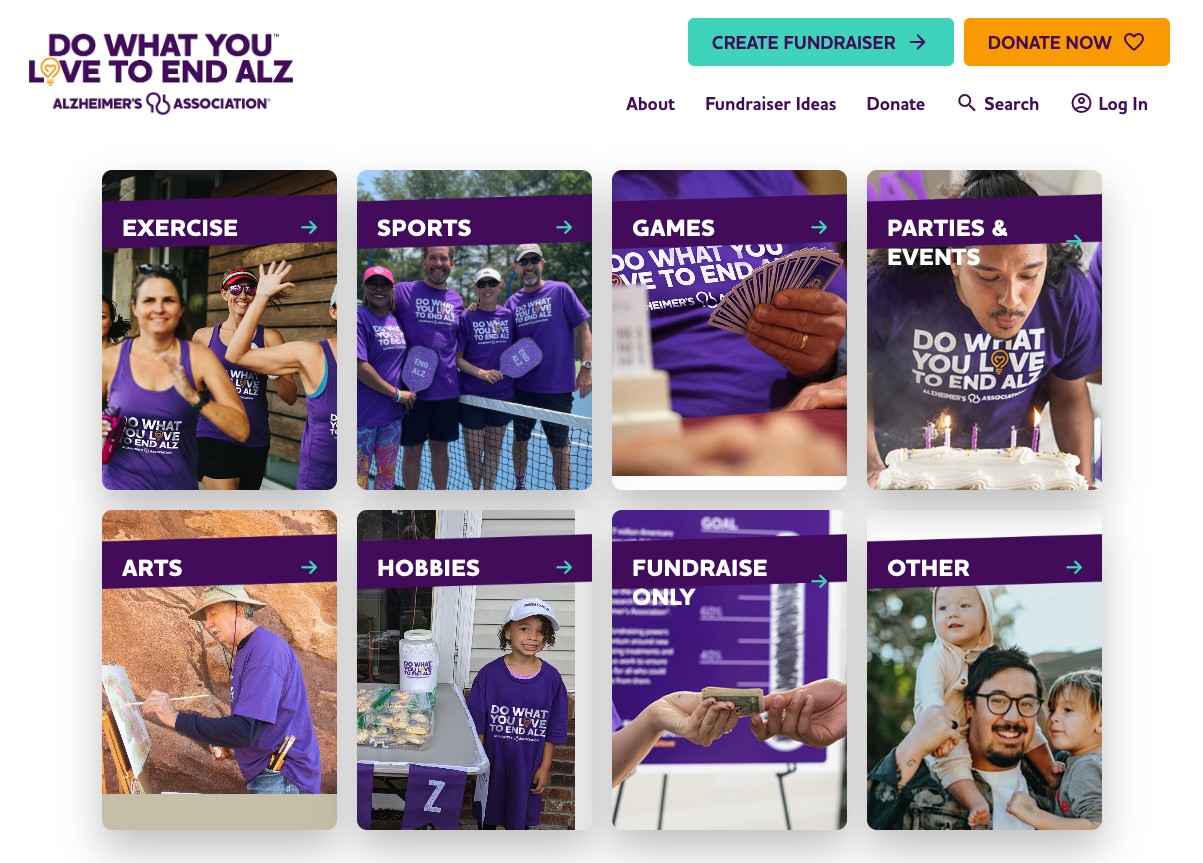
Do What You Love to End ALZ asks supporters to take an activity they love—bridge, golf, gaming, a party, a fishing tournament, even crafting—and turn it into a fundraiser. Participants then share their fundraiser with friends, family, co-workers, and others in their community and invite them to join the cause.
The program first launched in 2012 as The Longest Day: 16 hours of activity on the summer solstice, honoring the impact of Alzheimer’s, especially on caregivers. Two years later, it became one of the Association’s signature events, alongside the Walk to End Alzheimer’s®. Over the next decade, it grew nearly seven times in revenue and participation.

We have over 600 Walk to End Alzheimer’s events nationwide and that’s reaching a lot of communities, but Do What You Love to End ALZ can reach all communities nationwide—every single corner, in every single county, in every single state.
Emily Rosenberger,
Senior Associate Director, Do What You Love to End ALZ
Alzheimer’s Association
In true DIY spirit, Do What You Love to End ALZ participants are as varied as their activities. For instance, Lacey’s daughter has taken part since she could talk, a 100-year-old supporter went skydiving, and Eric’s family hosts a game day in tribute to the loved ones they’ve lost to Alzheimer’s, honoring a family tradition.
That variety is what helped the program grow—and eventually outgrow its name. Over time, they expanded the program to include any activity, on any day that worked for supporters. Participation spread across the year, but the name was still tied to the summer solstice. So the Association rebranded it based on the program’s greatest strengths: passion, flexibility, and personalization. As Lacey put it, “The Longest Day holds a special place in our hearts—but we needed a name that could grow with us.”
In its first season on Funraisin:
- 82% of participants went on to fundraise, and raised an average of $2,177 per fundraiser.
- Bridge tournaments, parties, and golf events generated the greatest revenue by category.
The challenge: a DIY program forced to fit a structure built for a walk
Do What You Love to End ALZ held signature-event status, but its legacy tech platform wasn’t built for DIY—it was designed for staff-led walks, runs, and rides. Participants had countless clever ideas to create and manage unique and festive campaigns, but they needed more tools and more options. So the team asked what was missing to help support their fundraisers.

A DIY program squeezed into a traditional peer-to-peer (P2P) structure.
The Association’s previous platform was designed for traditional P2P events, so each fundraiser’s campaign was created as a team within a single event. Supporters could only register once per year, and campaigns couldn’t support teams themselves.

A hard season cutoff ended campaigns on the organization’s schedule, not the fundraisers’.
Because participants could not register more than once in a single year, the program’s season closed every August, and every campaign was shut down—even for someone who registered three days earlier. To support participants, staff spent precious time re-registering campaigns and moving donations by hand, manually updating hundreds of records during each season changeover.

Participants turned to outside tools to run their own events.
Supporters planning golf tournaments, parties, and wine tastings had no way to manage RSVPs or tickets. Many turned to third-party invitation and event tools, pulling attendees out of the platform and away from the fundraising coaching and experience.

Generic coaching that ignored the fundraiser’s campaign date.
Because every participant registered inside one event, coaching went out monthly to everyone—even if their campaign was over. A fundraiser whose event was in September might still get prep emails the following May.
We received feedback from participants that our old platform felt dated and it wasn’t easy to use. We had to build a lot of manual workarounds in order to give our participants what they needed.
Lacey Todd,
Director, Do What You Love to End ALZ
Alzheimer’s Association
The solution: a platform built around each fundraiser’s campaign
The team’s strategy was simple: stop letting internal needs—seasons, systems, and reporting—limit their fundraisers. They switched their fundraising platform to Funraisin, which treats every fundraiser’s campaign individually, and worked with the Funraisin team to custom build additional tools participants wanted for this unique campaign.
A platform chosen through a rigorous review
The Alzheimer’s Association held a formal RFP process with an independent consultant, narrowing the field to a handful of platforms. Funraisin stood out for its mix of out-of-the-box features, self-service capabilities, and customization flexibility.
If our constituents can dream it and our staff can dream it, it can happen on this platform.
Eric Oyler,
Senior Director, Digital Fundraising
Alzheimer’s Association
A true DIY structure, not a workaround
Using Funraisin’s DIY module, every fundraiser gets their own campaign with every feature we offer, including teams. Supporters can create as many campaigns as they want without running into registration issues. In the first 10 months on Funraisin, 9% of participants created more than one campaign, something they were unable to offer to participants through their former platform.
Fundraising on the participant’s timeline, not the organization’s
There’s no longer a hard cutoff when the season ends. Campaigns stay live as long as fundraisers need them, so the manual rollover process is gone. The Alzheimer’s Association shifted to align fundraising goals with their fiscal year for their own reporting, but supporters are no longer forced to re-register once the season ends.
Our fundraising season is only important to us as staff. It doesn’t matter to our participants, so we wanted to remove that barrier and just allow them to do what they want to do.
Eric Oyler,
Senior Director, Digital Fundraising
Alzheimer’s Association
Event tools built for how participants actually fundraise
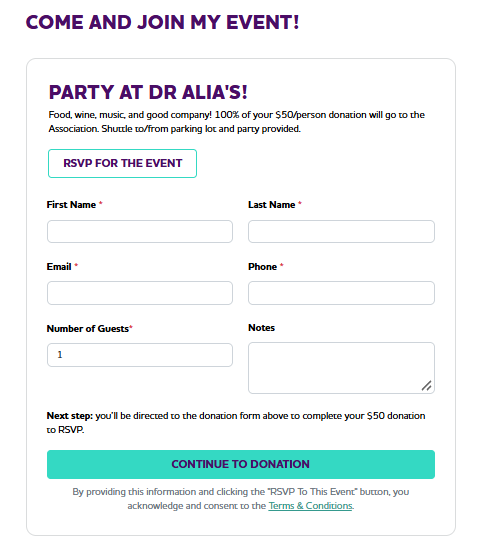
The Alzheimer’s Association team partnered with Funraisin to build new custom tools to help fundraisers engage their friends, families, co-workers, and communities in ways that made sense for each campaign. Now fundraisers can collect RSVPs without asking their guests to register and set up a fundraising page. They can also set their own ticket prices, run tournament brackets, and offer sponsorship package options tailored to their event. This enables fundraisers to easily manage the logistics of their events without having to leave the platform or find another tool.
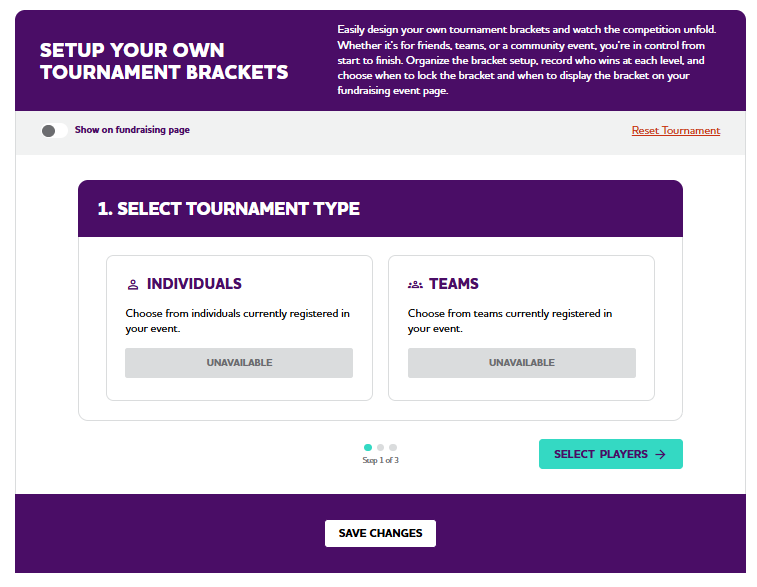
Fundraisers aren’t just building DIY fundraising pages—they’re hosting full-scale fundraising events, right on the Do What You Love to End ALZ platform.
With RSVPs, guests are no longer required to fill out a full registration form. Now, they can just say, ‘I’m coming and I’m bringing two of my friends, and I’m gluten-free.
Eric Oyler,
Senior Director, Digital Fundraising
Alzheimer’s Association
Coaching timed to each DIY campaign date
Because every fundraiser now sets an event date, the Association’s coaching can follow the fundraiser’s timeline instead of a generic monthly calendar. Fundraisers get emails leading up to their campaign date. When the messages land in their inboxes, they are timely and relevant.
Simple and intentional, for participants and staff
The team’s guiding principle for the build was “simple and intentional.” That vision not only applied to their fundraisers, but also their staff. While they were planning for the participant user experience, they also custom built a staff dashboard to display important information and tools. ALZ staff can see new registrations the moment they log in and can work inside a participant’s page with them in real time.
Volunteers and staff can coach our leads through every single piece of their fundraising page and do all of that in real time with them.
Emily Rosenberger,
Senior Associate Director, Do What You Love to End ALZ
Alzheimer’s Association
The experience: their campaign, their date, their way
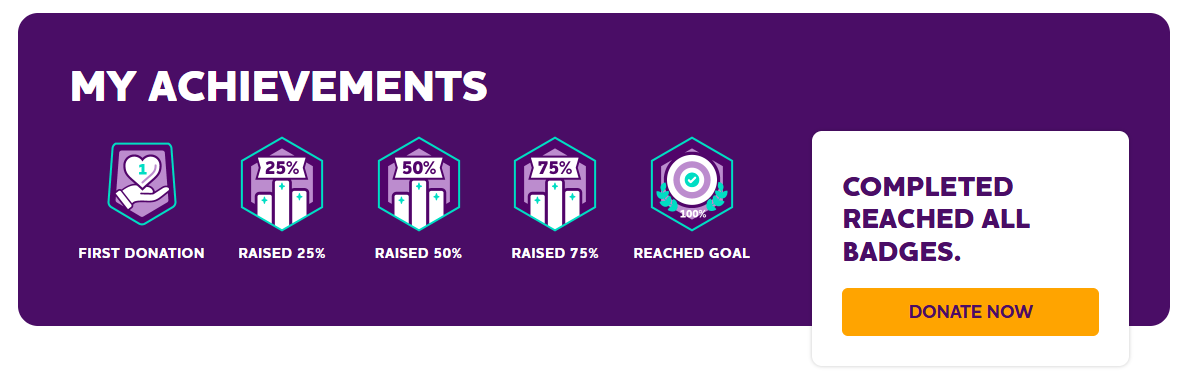
For participants, Do What You Love to End ALZ now works however their fundraisers prefer. Fundraisers can register any time of year, choose their own date, and pick one or more of the tools that fit—RSVPs for a party, brackets for a tournament, sponsorships for a golf day. Plus, with their new incentives structure, when they hit a milestone, they can redeem rewards right away instead of waiting months for the season to end.
The year-round registration was such a positive change that our fundraisers wanted.
Emily Rosenberger,
Senior Associate Director, Do What You Love to End ALZ
Alzheimer’s Association
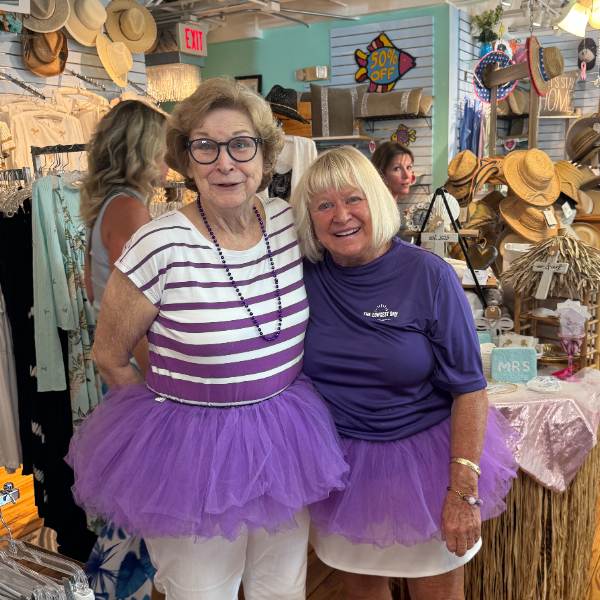
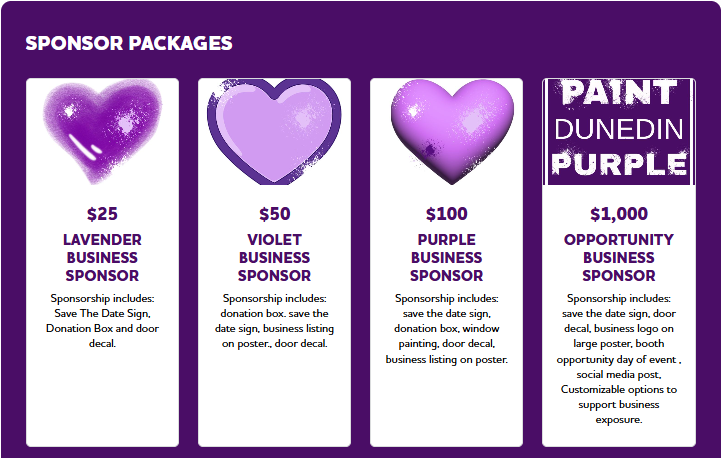
A great example is a fundraiser in Florida. A Paint the Town Purple campaign turned the downtown into a Do What You Love fundraiser. A volunteer artist painted storefronts, golf cart parades rolled through the streets, and a cornhole tournament brought neighbors together. The campaign even earned an official proclamation from city leaders. Local businesses signed on through sponsorship packages listed right on the committee’s fundraising page. By the end, the campaign had raised over $48,000—and turned an entire town purple for the cause.
The results: higher activation, more gifts per page, higher fundraising averages, and momentum through change
The clearest sign the new approach worked: 82% of participants went on to fundraise beyond the registration donation, up from 61% the year before. More participants didn’t stop at signing up—they shared their pages and invited others to support the cause.
And when they reached out, more people gave. The average number of gifts per fundraiser rose from 8 to 11 and the average raised per fundraiser rose 56% to $2,177.
The new season also landed where the team hoped. With the season now ending in June, aligned with Alzheimer’s & Brain Awareness Month, 44% of on-platform donations arrived in June.
What surprised us was the amount that we brought in June… we were surprised by the sheer volume of donations that came in those last few weeks.
Lacey Todd,
Director, Do What You Love to End ALZ
Alzheimer’s Association
All of this came in a year when the program changed its brand, platform, season, incentives, and coaching all at once—and had a record-breaking year.
The takeaway: your calendar doesn’t have to be their calendar
Every organization has seasons, systems, and reporting cycles. The difference is whether your platform makes participants live by them. On Funraisin, the Alzheimer’s Association keeps its fiscal year, reporting, and operations behind the scenes, while participants get a DIY experience built around their own events. If your DIY program still runs on your schedule, ask what your participants would do if it ran on theirs—and whether your platform can let them.
What you can apply

Separate your internal operations from the supporter experience.
Keep your fiscal year for internal reporting, and let participants register and fundraise their way.

Give each DIY fundraiser the power to manage their own unique event, not a team inside yours.
Fundraisers who can engage more people and run multiple campaigns have more ways to grow.

Build for the events your participants want to host.
RSVPs, tournament brackets, and sponsorship packages keep attendees on your platform instead of using outside tools.

Time coaching to the participant’s campaign date.
Messages that arrive in sync with their timeline are more effective than ones that arrive after they finish fundraising.

Change management will take some time, so build it into your launch plan.
You don’t need every custom feature on day one.
We knew this wasn’t going to be a quick fix… this was a staged process of phase one, phase two, phase three, and it wasn’t going to happen overnight.
Lacey Todd,
Director, Do What You Love to End ALZ
Alzheimer’s Association
Ready to build a DIY program around your fundraisers?
You bring the vision and the ambition. We help make it happen.

